Who Manufactures PFAS and How Are These Chemicals Made?
PFAS are generally described by regulators as manufactured or man-made chemicals. For supply-chain risk purposes, PFAS concerns arise from industrial production, intentional use, residual contamination, degradation pathways, and downstream movement through products and the environment.
For companies navigating new EPA rules, customer disclosures, and global reporting requirements, knowing who produces PFAS and how they’re created is a critical piece of the compliance puzzle.
What makes PFAS unique?
There’s no single universal definition of PFAS (per- and polyfluoroalkyl substances) today. A few authoritative ones are driving science and regulations. OECD/UNEP’s definition is widely treated as the baseline scientific definition and adopted across domains and regions.
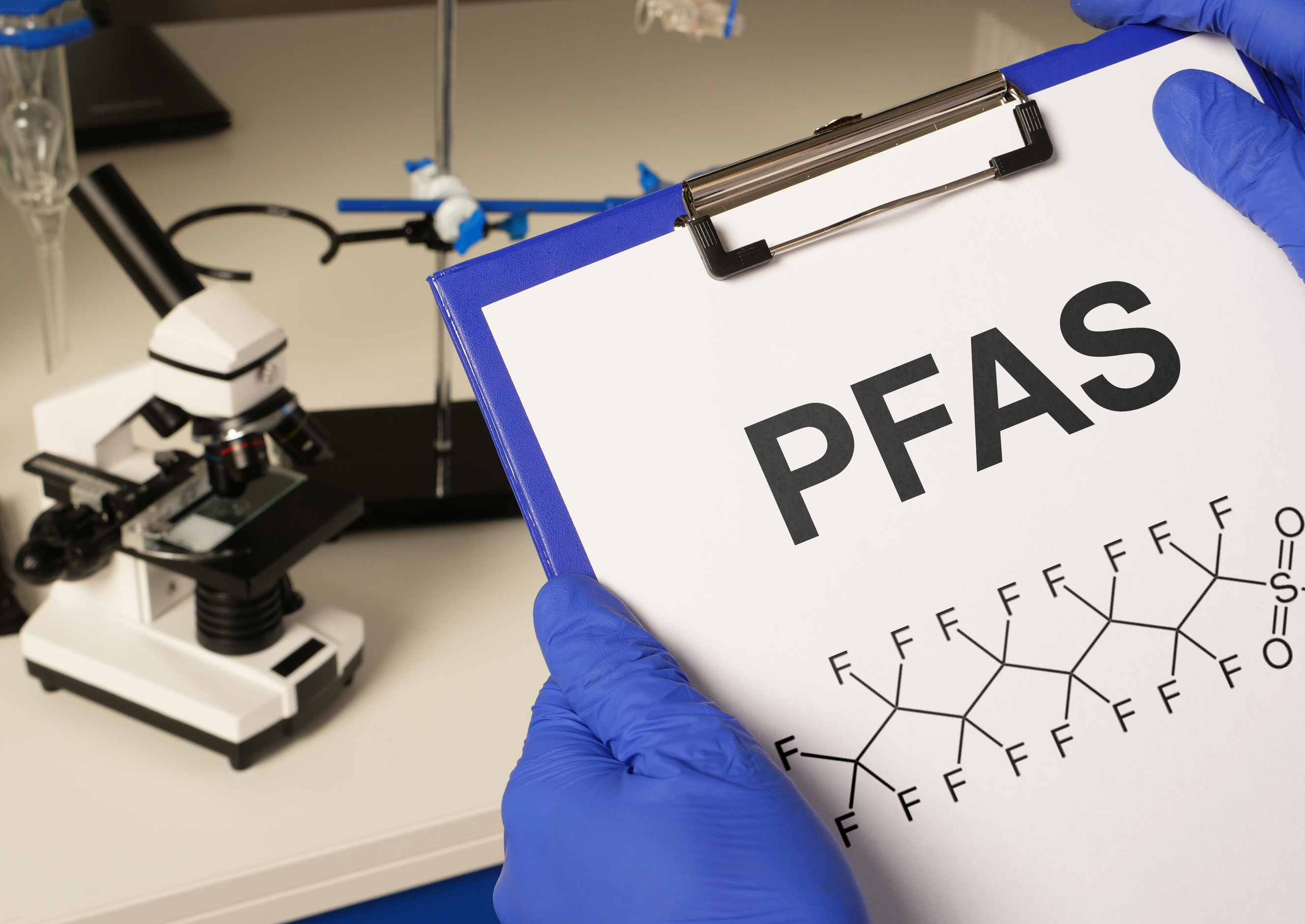
Per OECD/UNEP definition, PFAS are fluorinated chemicals that contain at least one fully fluorinated methyl (–CF₃) or methylene (–CF₂–) carbon atom. The strong carbon-fluorine bond creates extreme resistance to heat, water, oils, and chemical breakdown, which is why PFAS have been used for decades in:
- Nonstick coatings
- Stain- and water-resistant textiles
- Firefighting foams
- Semiconductors and electronics
- Industrial processes and chemical manufacturing
Their durability also means they persist in the environment and accumulate in soil, water, and human bodies driving increasing regulatory scrutiny worldwide.
Who Actually Manufactures PFAS?
PFAS manufacturing is concentrated among a relatively small group of global chemical companies. According to ChemSec’s global analysis, roughly a dozen major producers account for most PFAS created worldwide.
Major global PFAS manufacturers include:
- 3M – formerly one of the world’s largest PFAS producers, with a legacy in fluorochemical products before announcing phase-outs. 3M pledged to exit all PFAS manufacturing globally by end of 2025.
- Chemours – a spin-off from DuPont, one of the most widely known PFAS manufacturers today, including GenX and other fluoropolymers.
- Daikin – a major producer of fluorochemicals and coatings.
- Arkema, Solvay, BASF, and other large chemical manufacturers — all part of a narrow group that historically created and distributed PFAS globally. BASF pledged to phase out PFAS-formulated products by ~2028.
Because production is so concentrated, supply-chain risk for manufacturers is also concentrated. Many companies unknowingly source PFAS-containing materials through tier-2 and tier-3 suppliers linked to these major producers.
This is exactly where PFAS compliance software and PFAS monitoring software can help companies distinguish between known, high-risk materials and lower-risk alternatives.
How Are PFAS Actually Created?
PFAS are made through specialized fluorination processes designed to produce extremely durable molecules. Many commercially important PFAS fall into two categories: fluoropolymers and fluorinated surfactants. Both are created by chemically bonding fluorine to carbon — one of the strongest bonds in organic chemistry.
That bond is what gives PFAS their heat resistance, nonstick performance, and stability. It is also what makes them so persistent in the environment and difficult to break down. For manufacturers, this persistence means PFAS can move through supply chains in ways that are often invisible without the right tools.
As regulations tighten globally, companies need clear visibility into which materials may contain PFAS and where those chemicals originate. This is where PFAS risk assessment, PFAS compliance software, and intelligent manufacturing tools become essential for staying ahead of regulatory, operational, and reputational risk.
About EcoPulse
EcoPulse is an Austin, TX–based AI company helping manufacturers identify, document, and reduce PFAS risk across products and supply chains.
The patent-pending PFAS AI platform supports EHS and Product Compliance teams with specialized AI models and a deep knowledge base for PFAS risk assessment, reporting and mitigation. EcoPulse is advancing PFAS and Product Safety intelligence and risk mitigation for manufacturers and supply chains.